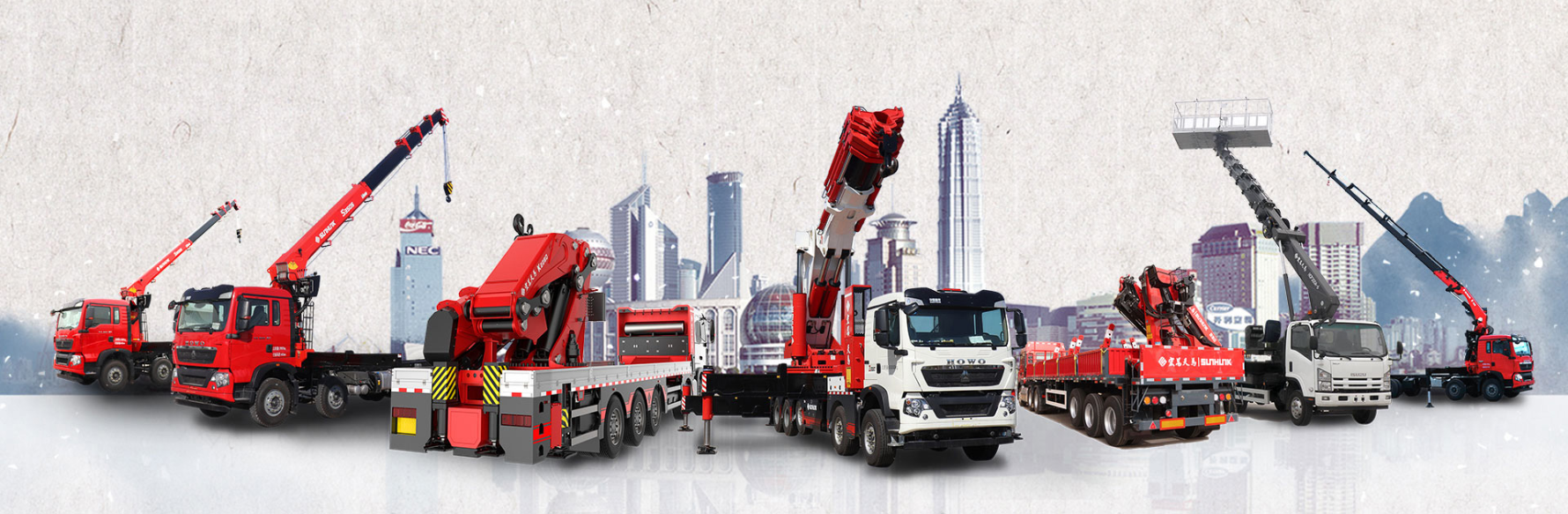
Industrial lifting projects involve much more than moving heavy materials. Every lift requires proper planning, coordination, and the right equipment. When load capacity is not assessed correctly, even a simple lifting operation can result in delays, increased costs, or safety risks.
.jpg)
Proper load capacity planning helps determine whether a crane can safely lift a load under actual site conditions. At Asian Crane Services, we provide reliable Hydraulic Crane Rental and Telescopic Crane Rental solutions backed by careful lift planning.
Load capacity planning is the process of checking whether a crane can safely lift a specific load in a particular environment.
It includes evaluating:
Good planning reduces operational risks and improves project efficiency.
Proper planning is especially important when using hydraulic and telescopic cranes, as lifting capacity changes depending on site conditions and boom extension.
Load Weight
Always consider the total weight, including hooks, chains, slings, and other lifting accessories.
Load Balance
Balanced loads improve lifting stability and reduce operational risks.
Lift Radius
The greater the distance between the crane and the load, the lower the crane's lifting capacity.
Boom Length
Extending the boom reduces lifting strength, particularly in telescopic crane operations.
Ground Conditions
Stable ground is essential for safe crane operation. Soft or uneven surfaces require additional precautions.
| Factor | What to Check | Why It Matters |
|---|---|---|
| Load Weight | Total weight with accessories | Prevents overloading |
| Lift Radius | Distance between crane and load | Affects lifting capacity |
| Boom Length | Required boom extension | Impacts stability |
| Ground Condition | Surface strength and support | Keeps crane stable |
| Weather | Wind and rain conditions | Improves operational safety |
Hydraulic cranes are widely used for:
Telescopic cranes are ideal for projects requiring flexibility, adjustable boom lengths, and greater reach.
Experienced crane operators understand:
Clear communication ensures safer and more efficient lifting operations.
Consider the following before selecting a crane:
Hydraulic cranes provide strength and stability for heavy-duty lifting, while telescopic cranes offer flexibility and greater reach for complex lifting operations.
Proper load capacity planning is essential for safe and efficient industrial lifting. It improves productivity, minimizes downtime, and helps prevent costly operational mistakes.
At Asian Crane Services, we provide dependable Hydraulic Crane Rental and Telescopic Crane Rental solutions tailored to your project requirements. Contact us today to discuss your lifting needs and choose the right crane for your next project.
