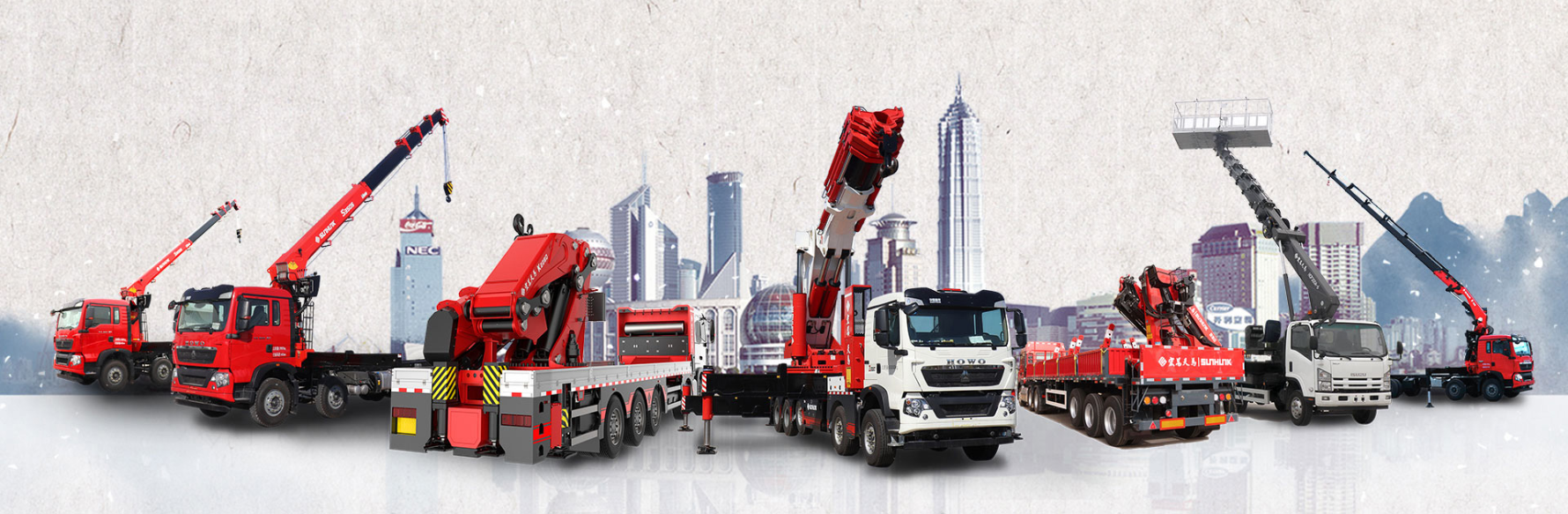
Commercial construction projects involve lifting and moving heavy materials at various stages. Every load, from steel structures and concrete blocks to machinery and site equipment, must be carefully planned and evaluated before lifting. If the lifting capacity is not estimated correctly, it can lead to delays, extra costs, and safety issues on site.
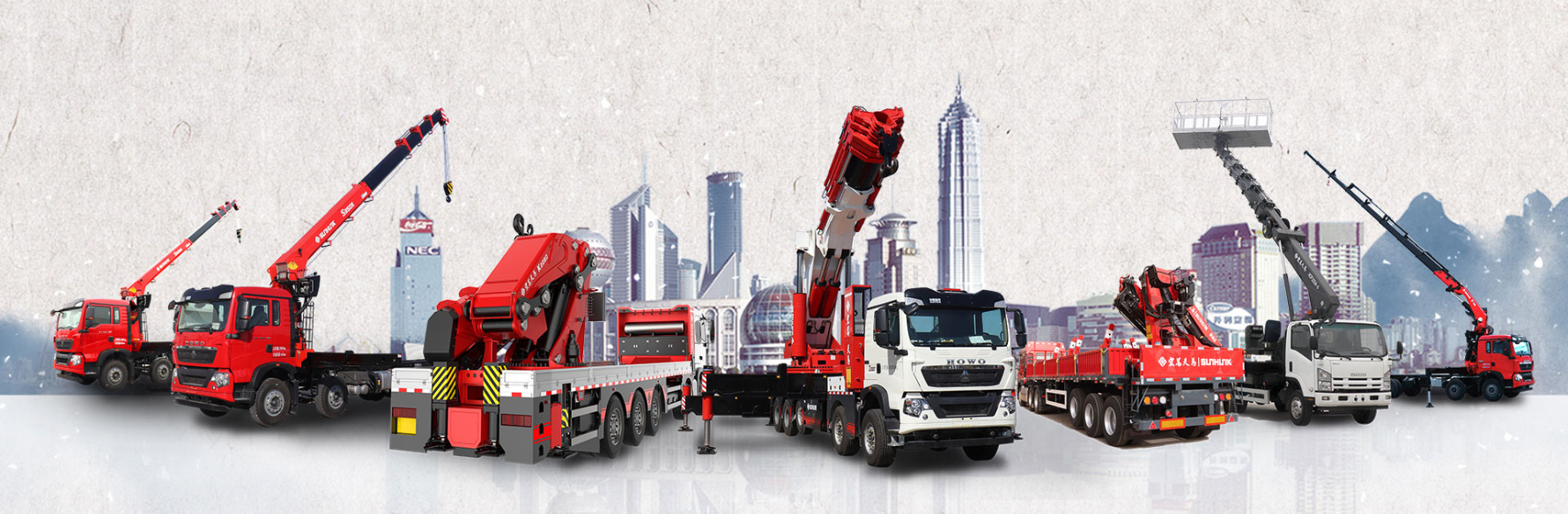
Commercial construction projects involve lifting and moving heavy materials at various stages. Every load, from steel structures and concrete blocks to machinery and site equipment, must be carefully planned and evaluated before lifting. If the lifting capacity is not estimated correctly, it can lead to delays, extra costs, and safety issues on site.
In many projects, selecting the right crane for construction is not just about availability but about matching the lifting requirement with the correct capacity. In this blog, we will explore how load capacity planning works and which factors to consider when choosing lifting equipment for commercial projects.
In many projects, selecting the right crane for construction is not just about availability but about matching the lifting requirement with the correct capacity. In this blog, we will explore how load capacity planning works and which factors to consider when choosing lifting equipment for commercial projects.
Load capacity simply means the maximum weight a lifting machine can safely handle during operation. In construction work, this includes not only the material being lifted but also the equipment used to lift it. Every crane for construction is designed with a specific capacity range, and using it within that limit is important for safe and smooth operations. If the load exceeds the allowed capacity, it can affect on-site stability and performance.
Choosing the right capacity is an important step when planning a construction lift rental, as it directly impacts safety and project efficiency.
According to construction industry studies, material handling and lifting activities account for a significant portion of project delays when equipment selection is not properly planned. Accurate load capacity planning helps improve productivity, reduce downtime, and support safer lifting operations across commercial construction projects.
Before choosing a construction lift rental, it is important to clearly understand how much load needs to be lifted on site. This helps select the right equipment and avoid issues during execution.
Start by checking the exact weight of the material that needs to be lifted, such as steel beams, concrete blocks, or machinery.
Do not forget to add the weight of hooks, chains, slings, or any other lifting tools used during operation.
As lift height increases, lifting capacity may be affected, making height an important factor when selecting equipment.
Space availability, ground strength, and movement area can also impact equipment selection.
Always plan slightly above the expected load to ensure safe and stable lifting operations.
Different construction tasks require different lifting capacities. Selecting the right equipment helps improve performance and reduce delays on site.
| Load Type | Common Equipment Used |
|---|---|
| Light Loads | Small lifting units and compact systems |
| Medium Loads | Standard crane for construction used in building projects |
| Heavy Loads | High-capacity lifting systems for industrial work |
In many projects, a used mobile construction crane is also considered when there is a requirement for flexible movement across multiple work areas while handling moderate to heavy loads.
The decision to rent or purchase lifting equipment often depends on project duration and operational requirements. In some cases, companies may consider purchasing a used mobile construction crane instead of investing in new equipment, particularly when long-term lifting requirements justify ownership.
A used crane may be considered when:
For projects with shorter durations, such as commercial ones, the firm will have more flexibility to choose a construction lift rental over buying one.
Construction teams should always review equipment load charts, manufacturer guidelines, and site-specific lifting plans before beginning operations. Following recommended lifting limits helps maintain safety and supports efficient project execution.
Understanding these factors helps project teams choose the most suitable crane for construction while ensuring safe and efficient lifting activities.
Even experienced project teams can face challenges when load planning is not given enough attention. Avoiding a few common mistakes can help improve safety and efficiency on site.
Chains, hooks, slings, and other accessories add to the total load and should always be included in calculations.
Selecting equipment solely because it is cheaper may lead to performance limitations and project delays.
Ground conditions, area, and accessibility can influence the lift procedure and type of equipment needed.
Planning too close to the maximum load capacity can increase operational risks.
Lifting requirements should be clearly communicated between project managers, site teams, and equipment providers.
Successful lifting operations begin long before the equipment arrives on site. Effective load-capacity planning enables organizations to select appropriate equipment that not only ensures efficiency but also reduces potential delays. By taking into account load weight, load lifting height, site conditions, and project requirements, organizations can make better decisions.
At Asian Crane Services, we understand that every commercial project has unique lifting requirements. Our experience across the construction, infrastructure, and industrial sectors enables us to help clients identify suitable lifting solutions tailored to their project scope and site conditions. With a focus on safe operations and practical equipment selection, we help businesses approach lifting tasks with greater confidence and efficiency.
