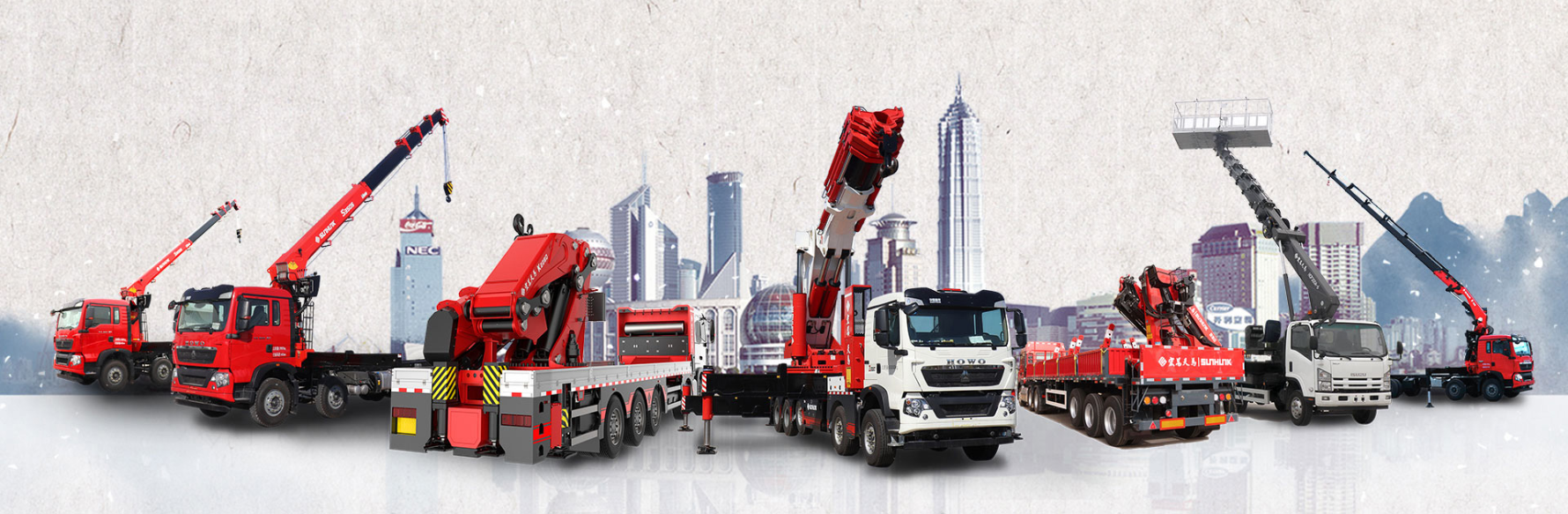
Compare the costs, usage, and long-term benefits of renting or buying a crane to see which is more cost-effective for your projects.
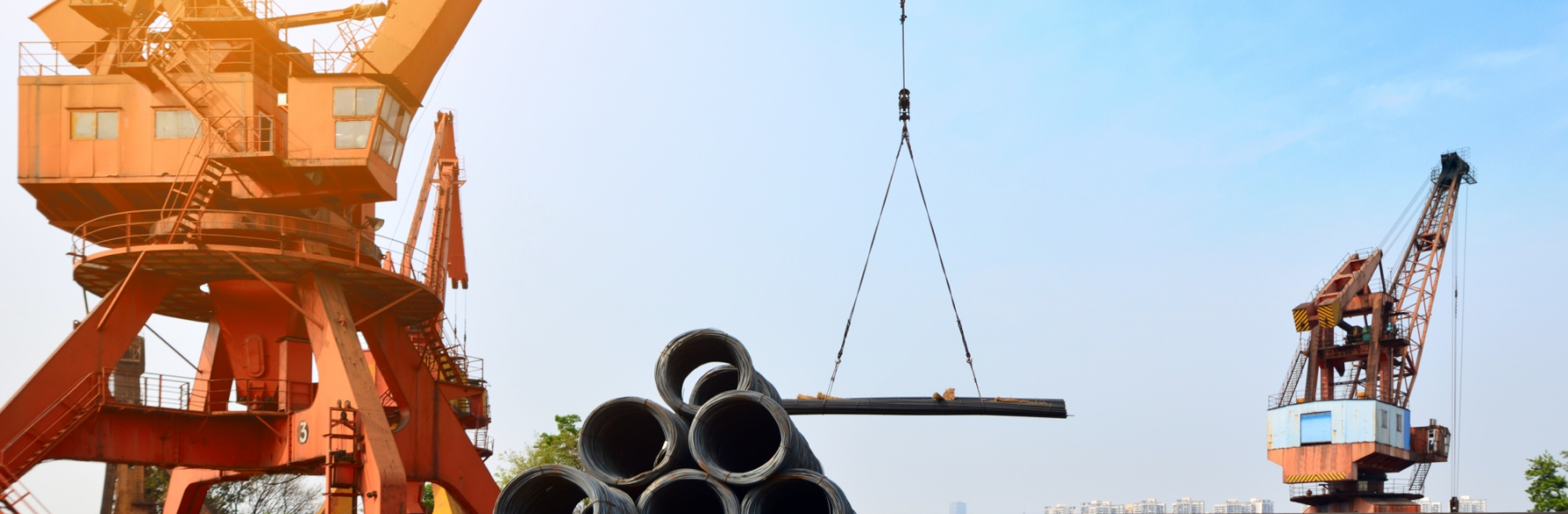
For many contractors, one common question comes up before starting a project: Should you go for a lifting crane rental or invest in buying a crane?
At first glance, buying may seem like the better long-term solution. But when you look closely at project timelines, costs, and actual usage, the decision is not always that simple. Not every project requires a crane all the time, and owning one comes with added responsibilities.
On the other hand, options like crane rental in Mumbai have made it easier for contractors to access the right equipment only when needed. This offers greater flexibility without the financial and operational burden of ownership.
Understanding the difference between renting and buying is important to make a cost-effective choice. In this blog, we will break it down simply to help you decide what works best for your project.
Understanding the Two Options
Before deciding what is more cost-effective, it’s important to clearly understand what each option offers. Both renting and buying have their own advantages, depending on how frequently you need the crane and the type of projects you handle.
1. Renting a Crane
Choosing a lifting crane rental means you use the equipment only when required. It is a flexible option, especially for project-based work.
With rental:
You pay only for the duration of use
There is no long-term financial commitment
Maintenance and servicing are usually handled by the provider
You can choose different types of cranes based on project needs
This makes renting a practical choice for contractors who want to manage costs and avoid ownership responsibilities.
2. Buying a Crane
Buying a crane is a long-term investment. It gives you full ownership and control over the equipment.
With buying:
You have the crane available at all times
It can be useful for continuous, long-term projects
You don’t depend on availability from rental providers
However, it also comes with additional responsibilities, such as maintenance, storage, and overall management.
Initial Cost Comparison: Rental vs Purchase
One of the biggest deciding factors for contractors is the initial cost. This is where the difference between renting and buying becomes very clear.
Buying a crane requires a high upfront investment. Apart from the purchase cost, you may also need to spend on registration, insurance, and setup. This can put pressure on budgets, especially for small or mid-sized contractors.
On the other hand, with a lifting crane rental, you can start work without a heavy investment. You only pay for as long as you need the equipment.
Here’s a simple comparison to understand it better:
|
Factor |
Renting a Crane |
Buying a Crane |
|
Initial Cost |
Low |
Very High |
|
Payment Type |
Pay as per use |
One-time large investment |
|
Budget Impact |
Easy to manage |
Heavy financial load |
For many contractors, especially those working on short-term projects, options like crane rental per day make it easier to control costs and plan budgets effectively.
Maintenance and Operating Costs
The cost of a crane doesn’t end with the purchase. Ongoing expenses play a major role in the overall investment.
When you own a crane, you are responsible for:
Regular maintenance
Repairs and spare parts
Operator management (in some cases)
Insurance and compliance
These costs can add up over time and are often difficult to predict.
In contrast, with crane rental companies in India, most of these responsibilities are handled by the service provider. This reduces the burden on contractors and allows them to focus more on the project rather than equipment management.
Reliable providers like Asian Crane Services ensure that the equipment is well-maintained and ready for use, so contractors do not have to worry about unexpected breakdowns or additional servicing costs.
To simplify:
Buying = Long-term maintenance responsibility
Renting = Minimal operational stress
This is why many contractors prefer rental options, as they offer better cost control and fewer unexpected expenses.
Usage Frequency: The Key Factor in Your Decision
How often you need a crane plays a major role in deciding whether to rent or buy. This is one of the simplest ways to make the right choice.
If your projects require a crane only for a few days or specific phases, going for a lifting crane rental is usually the better option. You use the equipment when needed and avoid paying for idle time.
But if your work involves continuous lifting operations across multiple projects, buying may seem more practical in the long run.
Here’s an easy way to look at it:
Occasional or short-term use: Renting is more cost-effective
Regular and long-term use: Buying can be considered
Many contractors overestimate how often they will use a crane. In reality, equipment often sits idle between projects, increasing overall costs when owned.
Flexibility and Equipment Variety
Flexibility is an important factor when choosing between renting and buying a crane. Different projects require different types of equipment, and your choice should match those changing needs.
Renting
When you choose to rent crane equipment, you get the advantage of selecting the right type of crane for each project. You can switch easily between different types of cranes for construction, maintenance, or installation work. Options like bucket crane rentals are also available for specific tasks, making the process more convenient. This approach allows you to work with the right equipment every time, without being limited.
Buying
When you buy a crane, you are restricted to the type of equipment you own. This works well if your projects are similar and regularly require the same type of crane. However, if your project needs change, you may still have to rely on rental services for additional equipment.
Storage and Logistics Considerations
Owning a crane is not just about using it; it also brings added responsibilities behind the scenes.
When you buy a crane:
You need proper storage space when it’s not in use
Transporting it between sites becomes your responsibility
Managing logistics can be difficult, especially in crowded areas
When you choose a rental:
The crane is delivered to your site
Pickup is handled after work is completed
No need to worry about storage or transport
For contractors working in cities, options like crane rental in Mumbai make operations much simpler and more manageable.
Project-Based Cost Efficiency
Most construction and industrial work happen in phases. This means a crane is only needed at certain stages, not throughout the entire project.
In such situations, owning a crane may not always be the best financial decision. Even when the equipment is not in use, costs like maintenance, storage, and depreciation continue. Over time, this reduces overall cost efficiency.
With rent crane options, you only pay for the time the equipment is used. This makes it easier to plan project budgets and avoid unnecessary expenses.
Many contractors prefer flexible options like crane rental per day, as it allows them to match costs directly with project timelines. This way, they can control spending while still getting the job done efficiently.
Which Option Is Right for You?
By now, it’s clear that both renting and buying have their own advantages. The right choice depends on your project needs, budget, and how frequently you require a crane.
Instead of overthinking, you can simplify your decision with this quick approach:
If your projects are short-term or occasional, choosing a lifting crane rental is more practical
If your work requires regular and continuous crane usage, buying can be considered
If you want flexibility and lower financial risk, renting is the safer option
If you have long-term, repetitive work, ownership may offer value over time
For most contractors, especially those handling a variety of projects, renting tends to be the more cost-effective and flexible solution.
Understanding your actual usage frequency and project scope helps you make smarter, more cost-efficient decisions.
Conclusion: Making the Cost-Effective Choice
Choosing between renting and buying a crane depends on how often you need it, your project type, and your budget. While buying may work for long-term, continuous use, it also entails a high upfront investment and ongoing responsibilities. For most contractors, especially those handling project-based work, options like lifting crane rental offer greater flexibility, lower costs, and easier management.
Working with the right service provider can make this decision even more effective. Asian Crane Services, with years of industry experience and a wide range of equipment, provides contractors with reliable, well-maintained solutions. From different types of cranes to flexible rental options, their crane rental services in Mumbai are designed to meet varied project requirements. Choosing the right partner and careful planning ensure the project proceeds smoothly, swiftly, and cost-effectively.
