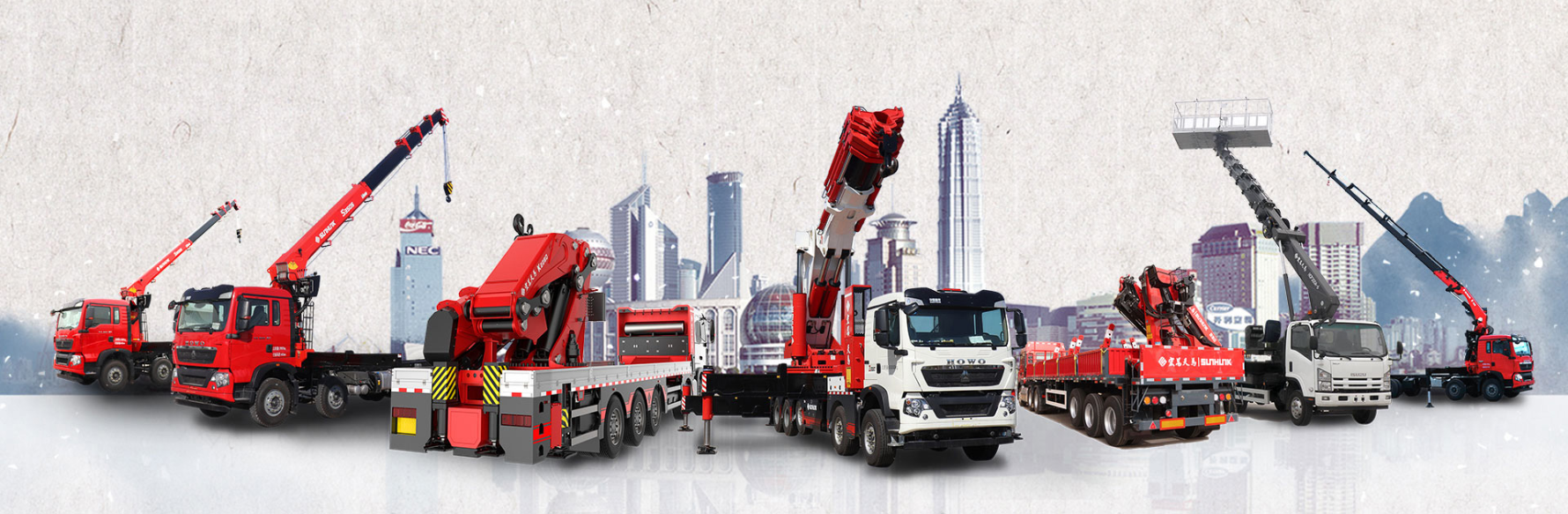
A simple guide to help you select the proper crane based on load capacity, site conditions, and safe lifting requirements.
Choosing the right crane is not only about availability. It starts with understanding load capacity and how it affects lifting safety. Many lifting issues arise because the selected crane cannot safely handle the load under actual site conditions.
Before you rent crane equipment, it is important to know how weight, distance, and site factors influence performance. The correct choice helps avoid delays, safety risks, and extra costs, which is why experienced providers like Asian Crane Services focus on proper assessment before equipment selection.
This guide explains crane load capacities in a simple way and helps you select the right machine when using crane rental services for your project.
Load capacity is the maximum weight a crane can lift safely under specific conditions. It is not a fixed number for all situations. The lifting limit changes depending on how the crane is set up and how far the load needs to be moved.
Many people assume that the highest tonnage a crane can lift is what it can lift at any time. In reality, capacity reduces when the load is lifted at a distance, when the boom is extended, or when site conditions are not ideal. This is why understanding load capacity is important before choosing a crane rental option.
When you plan to rent crane equipment, knowing the real load requirements and lifting conditions helps ensure the crane works safely and performs as expected.
Several site and lifting conditions affect how much weight a crane can safely handle. These factors should always be reviewed before confirming crane rental services.
This is the distance between the crane and the load. As this distance increases, lifting capacity decreases. A crane can lift more weight when the load is closer to the base.
A longer boom or higher extension reduces lifting strength. The longer the boom stretches, the less weight the crane can safely handle.
The crane needs stable, level ground. Soft soil or uneven surfaces reduce stability and may lower safe lifting limits, even if the crane’s rated capacity is high.
Wind adds pressure on both the crane and the load. Strong winds or bad weather can reduce safe lifting capacity and increase risk.
Irregular loads or extra rigging equipment add weight and affect balance. These must be included when calculating the actual lifting load.
Considering these factors helps ensure the crane selected through a crane rental agency is suitable for the job.
Different cranes are designed for different lifting demands. Choosing the right type is an important part of planning smart crane rental services.
These are commonly used on construction sites. They are easy to move and suitable for general lifting tasks that require flexibility.
Crawler cranes are built for heavy-duty lifting. Their tracks provide better stability, especially on soft or uneven ground, making them ideal for large industrial loads.
Smaller cranes are better for sites with limited space or hard-to-reach areas. They can manage moderate loads in tight spots.
Choosing the right crane depends on how heavy the load is, how high it needs to be lifted, and the conditions of the site. Teams such as Asian Crane Services help find the right equipment for your project, ensuring safe and efficient crane rentals.
A load chart tells you how much weight a crane can lift in different situations. Knowing this helps you select the right crane for rent.
Step 1: Check the Boom Length
The chart looks at the boom length being used for the lift. A longer boom typically results in a lower lifting capacity.
Step 2: Identify the Lifting Radius
Determine the distance from the crane to the load. As the radius increases, the maximum safe weight that can be lifted decreases.
Step 3: Read the Rated Capacity
Once boom length and radius are known, the chart shows the maximum safe load the crane can lift in that setup.
Step 4: Subtract Rigging Weight
Hooks, slings, and other lifting gear also add weight. This must be reduced from the rated number to get the actual load limit.
Before contacting a crane rental agency or booking equipment, review these key points to make the right choice.
Know the heaviest load that needs to be lifted. Include the weight of rigging tools, such as slings and hooks.
Measure how high the load must go and how far it must move from the crane. These directly affect safe lifting capacity.
Check ground stability, space availability, and any obstacles that may affect crane setup or operation.
Select equipment that suits both the load and site needs. The right choice ensures safe crane rental operations.
Never plan to lift at full rated capacity. Keeping a safety margin helps reduce risk during the lift.
Choosing the wrong crane often results from minor planning mistakes. Avoiding these can prevent safety risks and delays in crane rental services.
The maximum tonnage listed for a crane is not valid for every situation. Capacity changes with boom length and lifting radius.
Slings, hooks, and lifting accessories add extra weight. Not including this in calculations can overload the crane.
A crane may be suitable for the load, but unable to reach the setup position due to narrow entry or obstacles.
Soft or uneven soil can reduce crane stability, even when the load is within limits.
Choosing equipment quickly without proper review increases risk during lifting work.
Avoiding these mistakes helps ensure safer crane rental planning.
Choosing the correct load capacity is not just a technical step. It directly affects how safe and smooth the lifting work will be.
When the crane capacity matches the load, the lift stays stable. This reduces the risk of tipping, load drops, or sudden movement.
Lifting beyond safe limits puts pressure on crane parts. Proper capacity selection protects the machine from damage.
Using the wrong crane can stop working midway. The right choice keeps lifting operations running without interruption.
Equipment damage, repairs, and downtime increase project expenses. Correct planning helps avoid these issues.
A properly selected crane performs smoothly, allowing lifting tasks to be completed faster and more safely.
Understanding load capacity helps make better decisions when using crane rental services for any project.
Selecting a crane based on the correct load capacity is one of the most important steps in safe lifting. When weight, distance, site condition, and equipment type are properly matched, lifting work becomes safer, smoother, and more efficient. Proper planning helps avoid risks, project delays, and unnecessary costs while ensuring the crane performs as expected.
At Asian Crane Services, we support clients with practical guidance and reliable crane rental services for different project needs. We assess load needs, site conditions, and lifting plans before suggesting equipment. Our priority is safety, selecting the right equipment, and providing reliable support for every crane rental project.
