services-breadcum

Blogs Details

Crane & Lift Rental Site Preparation Checklist for Construction Projects

06-Mar-2026

Proper site readiness reduces lifting risks, downtime, and on-site delays. Learn the key steps required before starting any crane rental work for construction projects.
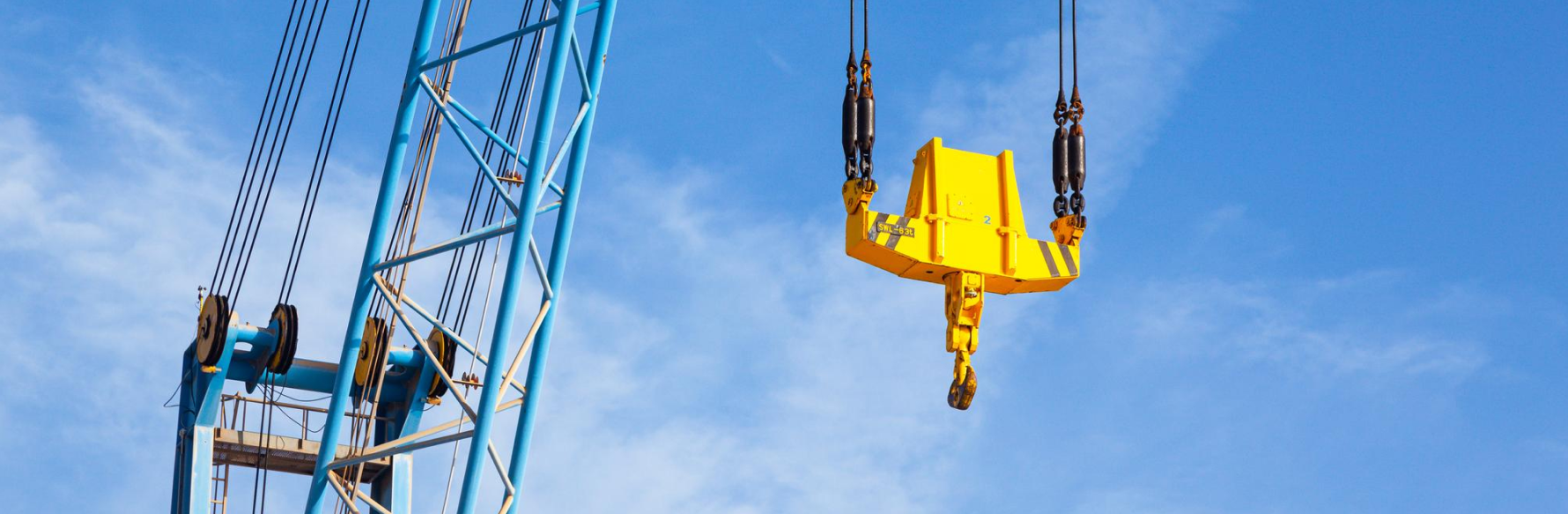
Proper site preparation is the first step toward a safe and smooth lifting operation. Whether it is a small structure or a large project, using construction crane rental or lift rental services without planning the site can lead to delays, safety risks, and added costs.

Every construction crane works best when the ground and access areas are prepared beforehand. Even a mini crane for construction needs steady ground, enough space, and good coordination to operate safely and effectively.

That is why site teams must follow a clear checklist before scheduling any lift. With the right preparation and support from experienced providers like Asian Crane Services, projects can move faster, avoid unexpected issues, and maintain safety at every stage.

In this guide, we will walk through a practical site-preparation checklist to help you get your jobsite ready for crane and lift rental operations.

Site Preparation Checklist

· Understand Your Project Requirements

Before booking a construction crane rental, it is important to understand your project's exact lifting needs. Clear details help avoid selecting the wrong equipment and delays.

Start by defining the load size and weight. Heavy structural materials or machinery will require a high-capacity construction crane, while lighter tasks may use a mini crane. Also consider how often lifting will happen. Frequent lifting requires better planning and suitable equipment.

Next, identify the type of lift work involved. Some projects require vertical lifting, while others involve moving loads over long distances. This helps decide whether you need crane support or other lifting solutions.

When project goals are matched to the right equipment, the work becomes safer, faster, and more cost-efficient.

· Select the Right Crane or Lift

Choosing the correct equipment is a key step in any lifting plan. Different machines serve different purposes in construction lift rental work.

Mobile cranes are suitable for general construction lifting and easy movement across sites. A mini crane is well-suited for construction work in tight spaces, indoor areas, or projects with limited access. Boom lifts and scissor lifts are useful when workers need to reach high for installation or maintenance tasks.

The choice depends on space availability, ground conditions, and the type of work being done. Large open sites can handle a full-size construction crane, while restricted areas require compact equipment. Selecting the right lift ensures safer operations and better productivity.

· Conduct a Comprehensive Site Survey

A site survey should always be done before starting any construction crane rental work. It helps identify risks that could affect safety and lifting performance.

Check the ground condition first. The surface must be firm and level to support the construction crane. Soft soil or uneven ground may require mats or plates.

Look around the site for obstacles like power lines, nearby buildings, trees, or scaffolding. Even when using a mini crane for construction, proper clearance is necessary.

Also, review the crane's entry and movement path. Equipment should reach the setup area without obstruction. A proper survey helps avoid delays and keeps the lifting process safe.

· Clear and Prepare the Site

Once the survey is complete, the site should be cleaned and organized for construction lift rental operations. Remove debris, loose materials, and unused equipment from the lifting area. The ground where the construction crane will stand should be level and stable.

Mark the crane position and keep a safe working zone around it. Only workers who are required should be near the lift area.

If the soil is weak, use support mats or steel plates. Proper site preparation allows smooth crane operation and reduces safety risks.

· Secure All Approvals, Permits, and Compliance

Before starting any construction crane rental work, make sure all required approvals are in place. Missing permits can delay the project and lead to penalties.

Depending on the site, permissions may be needed from local municipal authorities, traffic departments, or power companies, especially if lifting is near roads or electrical lines. Some projects also require safety approvals based on site conditions.

The following compliance rules ensure that lifting operations meet safety standards. Professional providers like Asian Crane Services guide clients on the required documentation so the construction crane operation runs without legal or safety issues.

· Develop a detailed Lift and Safety Plan

A lifting operation should never begin without a detailed lift plan. A clear safety plan is essential in the construction of lift rental operations.

The plan should include load weight, lifting points, and rigging details. The lift radius and load movement path must be defined, so the construction crane operates within safe limits.

Roles should also be assigned. The crane operator, signaler, and ground crew must know their responsibilities. Emergency procedures and communication methods should be discussed before the lift begins.

A structured plan reduces confusion and improves overall site safety.

· Prepare Equipment and Rigging

All lifting equipment must be checked before use. This includes the crane provided under construction of crane rental as well as slings, hooks, and other rigging tools.

Inspect the construction crane to ensure proper operation. Rigging attachments should match the load requirement and be free from damage.

Operators should have valid certifications and experience. If the lift needs special attachments or extra rigging support, it should be arranged in advance.

Proper equipment preparation helps avoid breakdowns and lifting failures.

· Coordinate With Your Team

Good coordination is important for safe lifting. Everyone involved in the construction lift rental work should understand their role.

Conduct a pre-lift meeting to review the lift plan and safety steps. Walk through the site to ensure all workers know the lifting zone and hazard areas.

Clear communication methods, such as hand signals or radios, should be confirmed. This helps the construction crane operator receive accurate instructions during the lift.

Strong team coordination reduces risks and ensures smooth operations.

Final Pre-Lift Check

Before the construction crane rental equipment arrives at the site, a final inspection ensures everything is ready for safe lifting.

Site Readiness Review

  1. Permits and documents are verified

All approvals related to site access, safety, and nearby utilities should be available on-site. This avoids a work stoppage during the lift.

  1. Lifting zone and safety barriers are confirmed

The crane position, load movement path, and restricted areas must be clearly marked to keep workers out of danger zones.

Safety Condition Check

  1. Weather conditions are assessed

Strong winds, heavy rain, or poor visibility can make lifting unsafe. Work should be rescheduled if conditions are risky.

  1. Crew and communication are ready

All team members should be present and aware of their roles. Communication tools must work properly before lifting begins.

Make Every Lift Safer With Proper Planning

Proper site preparation plays a major role in safe and successful lifting work. When project needs are clearly defined, the right equipment is selected, and the site is fully prepared, crane operations become smoother and more efficient. A structured approach helps reduce risks, avoid delays, and ensure that every lift is carried out with better control and safety.

At Asian Crane Services, we understand how important planning and safety are in every construction crane rental project. Our team supports clients with the right equipment, experienced operators, and guidance at every stage of construction lift rental work, helping ensure lifting operations run safely and without disruption.

footer
